Egypt - Red Sea · Riff
Brother Island / Little Brother
The dive site
Brother Island / Little Brother at a glance
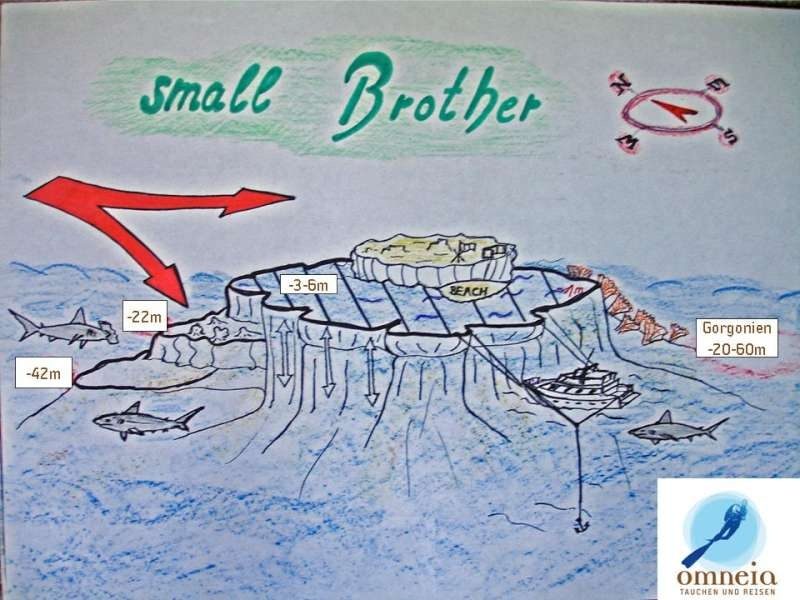
At Kleiner Bruder, boats anchor above the southern plateau or on the western side.
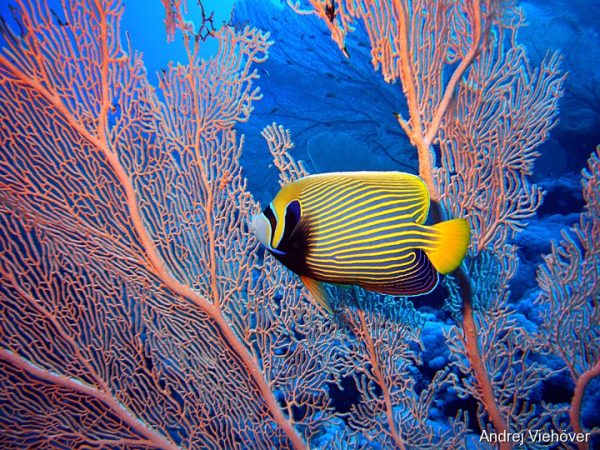
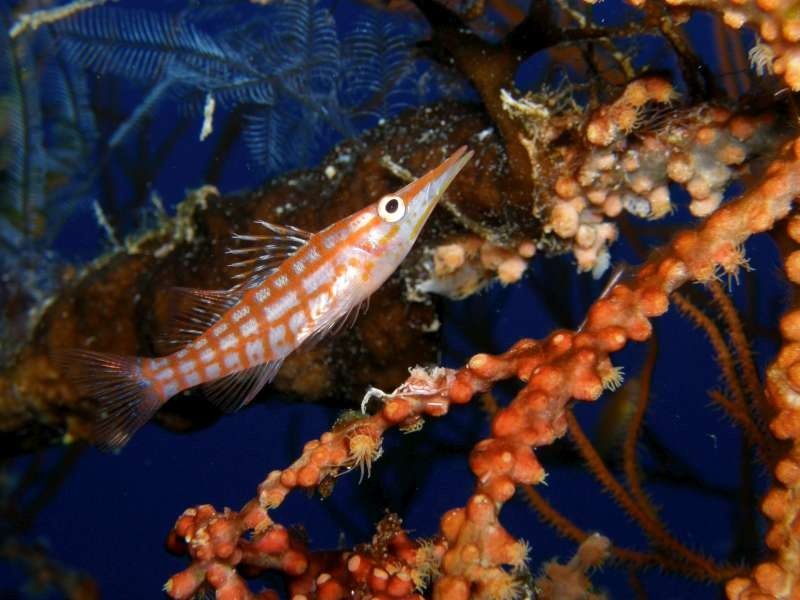
Experienced divers can circle the “Kleiner Bruder” when conditions are good, though they won’t be able to truly appreciate any of this site’s highlights. The east side is covered in hard corals and famous for its sprawling gorgonian fields, which often have spans larger than a diver. Several long-nosed damselfish live among these fan corals.
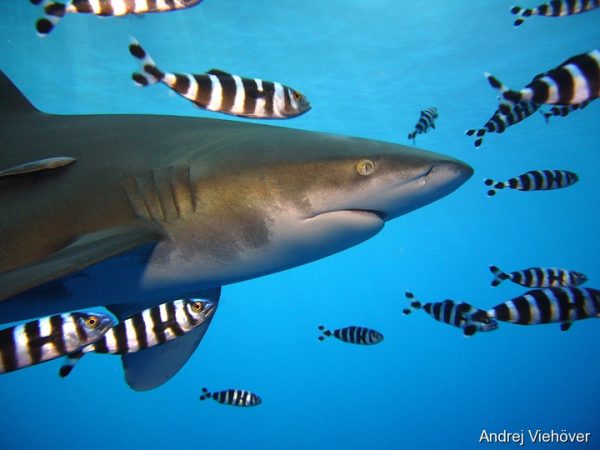
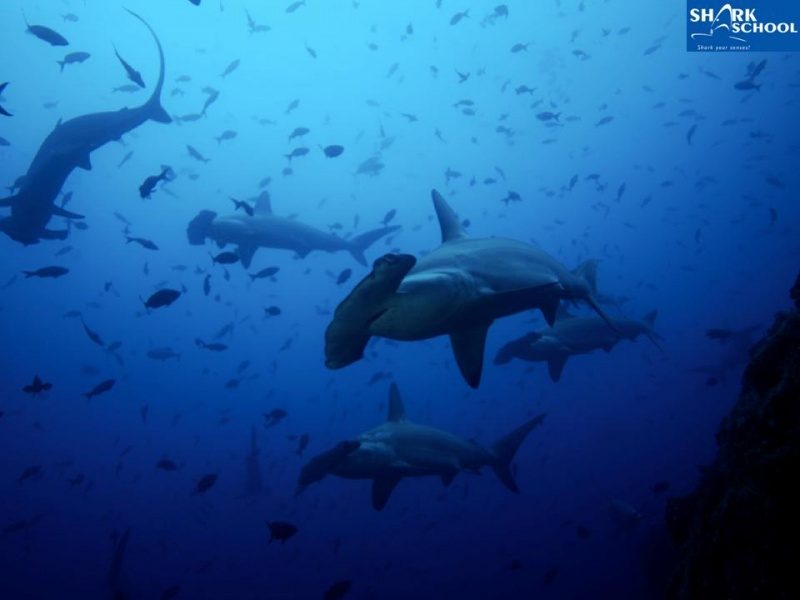
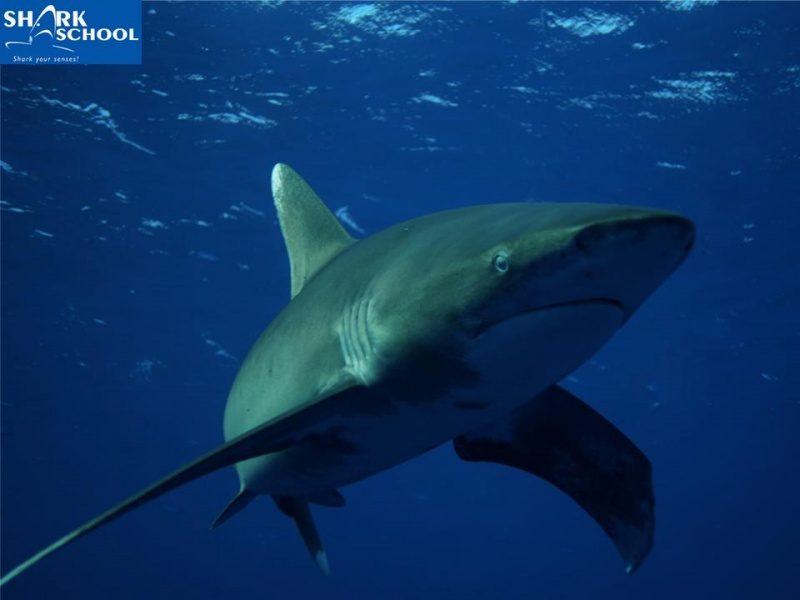
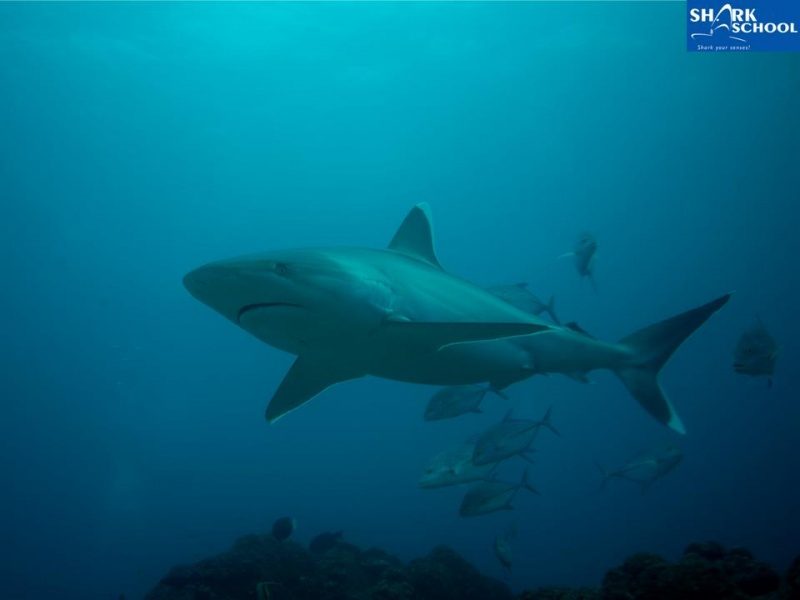
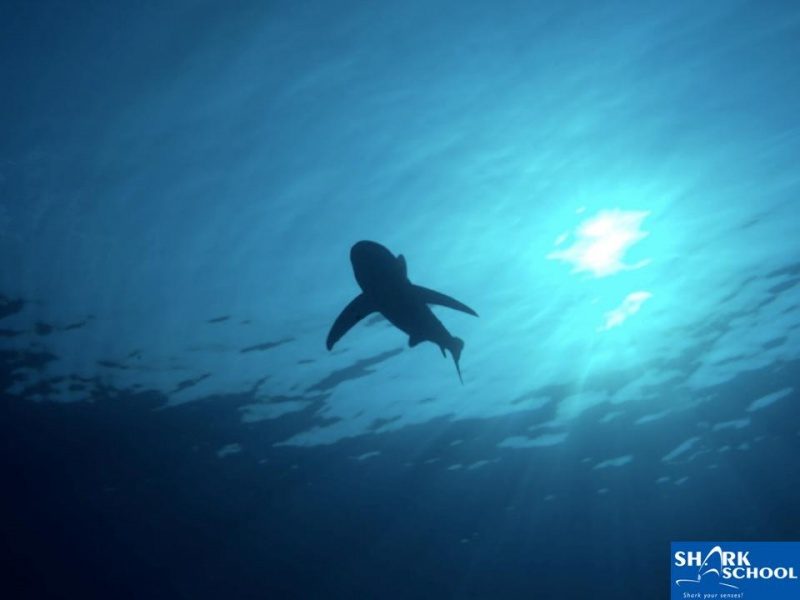
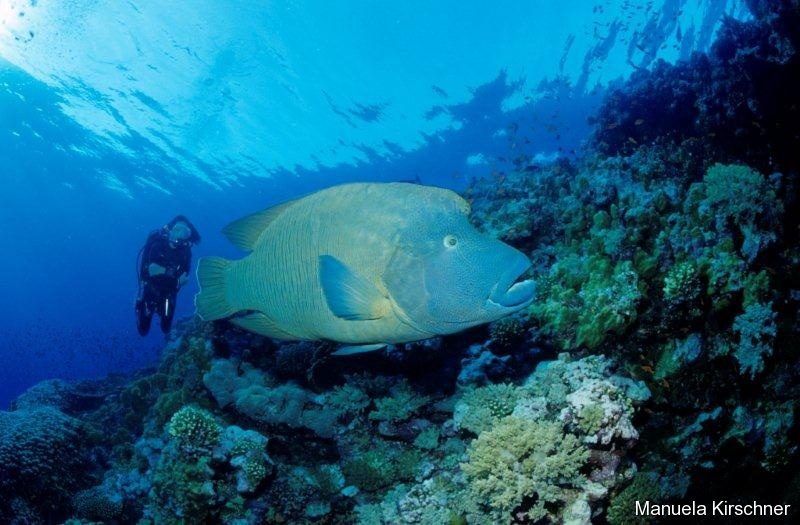
From the northern tip to the southern plateau, the eastern wall drops off steeply; if you find the small ledge, you’re definitely diving too deep. Large fish are always patrolling the blue water, and gray reef sharks often accompany divers on their way from the north to the gorgonians. Here, you may occasionally encounter hammerhead sharks and thresher sharks.
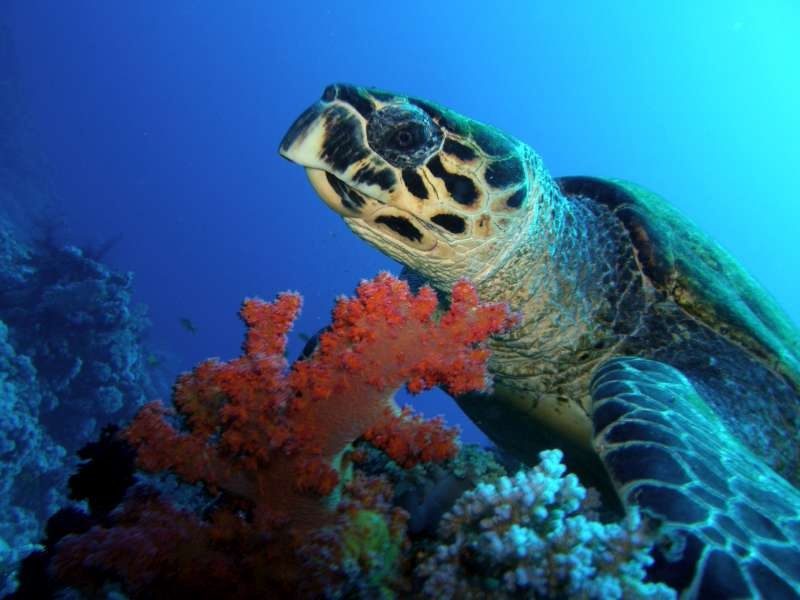
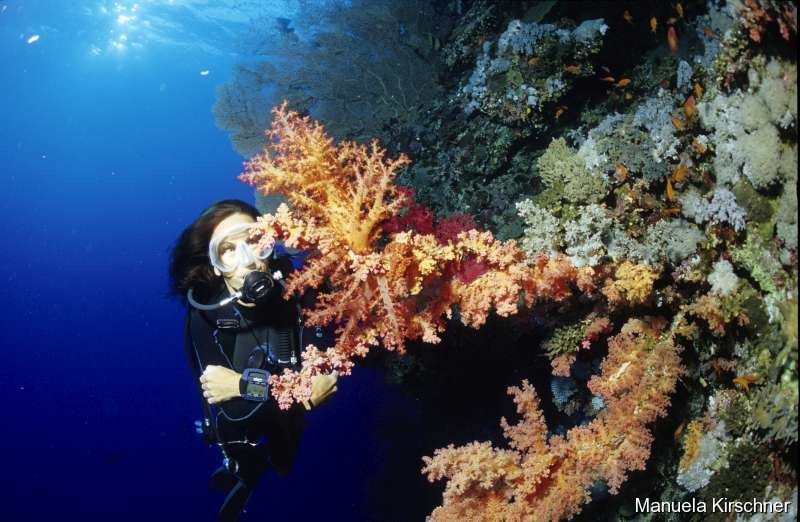
The steep wall on the west side is rugged, crisscrossed by small grottoes, and adorned with overhangs. Here, the vibrant colors of soft corals dominate, while red and black corals provide shelter for countless flagfish. This side seems almost surreal and invites you to discover the macrocosm of coral fauna. Not only shark enthusiasts but also nudibranch aficionados will find plenty to enjoy on the western side of the “little brother.”
Two small coral heads/plateaus at depths of approximately 25m and 40m make up the North Plateau. These heads serve as cleaning stations for sharks and manta rays, and the very frequent shark encounters here certainly contribute to the legend of the Brothers. However, very strong currents that change in the blink of an eye sometimes prevail here.
At the boats’ anchorage in the south, the reef drops steeply to 40 meters and then transitions into a rapidly sloping sandy bottom. Thresher sharks and gray reef sharks patrol this area very often. In the upper reef area, a school of black-and-white snappers is very much a fixture. There is also a cleaner station in the shallow water area that is frequently visited by an old barracuda.
These safari routes call at Brother Island / Little Brother:
Brother Islands
Brother Islands - Daedalus - Elphinstone
Brother Islands - Daedalus - Rocky Islands - Elphinstone
Brother Islands - Daedalus - Sataya
Brother Islands - Daedalus - Sataya - Elphinstone
Brother Islands - Elphinstone - Sataya
Brother Islands - Ras Mohammed-Tiran
Brother Islands, Daedalus, Zabargad, Rocky Island, Elphinstone
Brother Islands, Ras Mohammed, Thistlegorm, and 2 newly discovered wrecks
Brothers - Tiran - Rosalie Moller
Nord - Brothers - Daedalus - Elphinstone
North - Brother Islands
The Elphinstone Brothers
Tiran, Brother Islands
Images