Egypt - Red Sea · Riff
Daedalus / Abu El Kizan
The dive site
Daedalus / Abu El Kizan at a glance
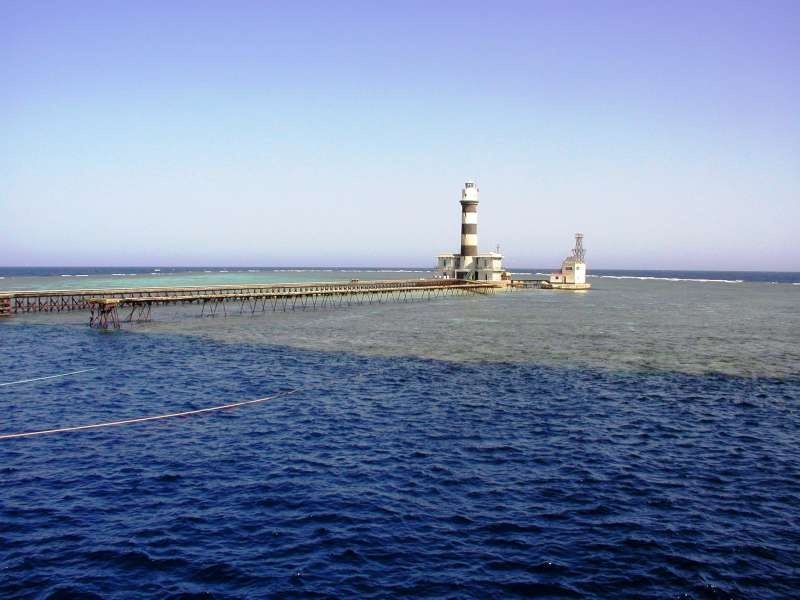
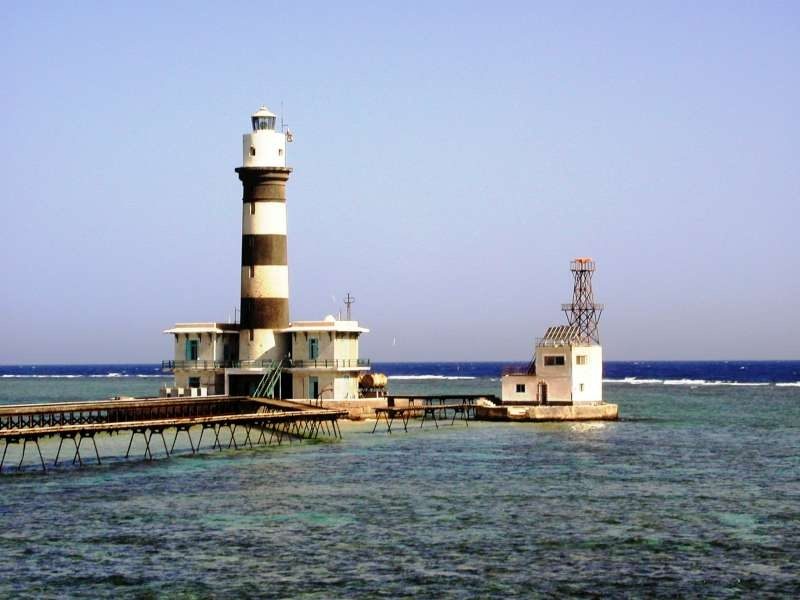
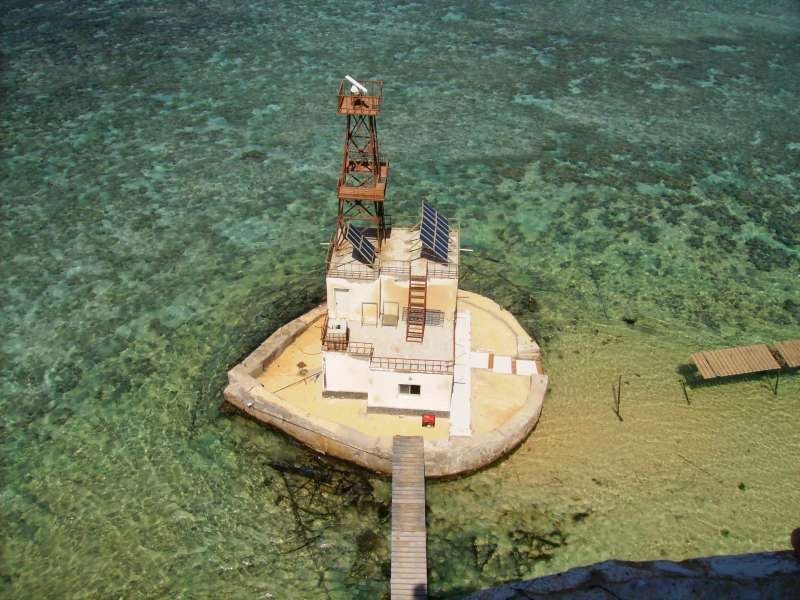
Like Brother Island, Abu El Kizan is the result of volcanic activity caused by the friction between continental plates. If you follow the edge of the continental plates south from the Brothers, you’ll come right to Abu El Kizan. That alone guarantees quality and a lighthouse. Furthermore, the dive sites differ in size; Abu El Kizan’s reef plateau is enormous compared to that of the Brothers.
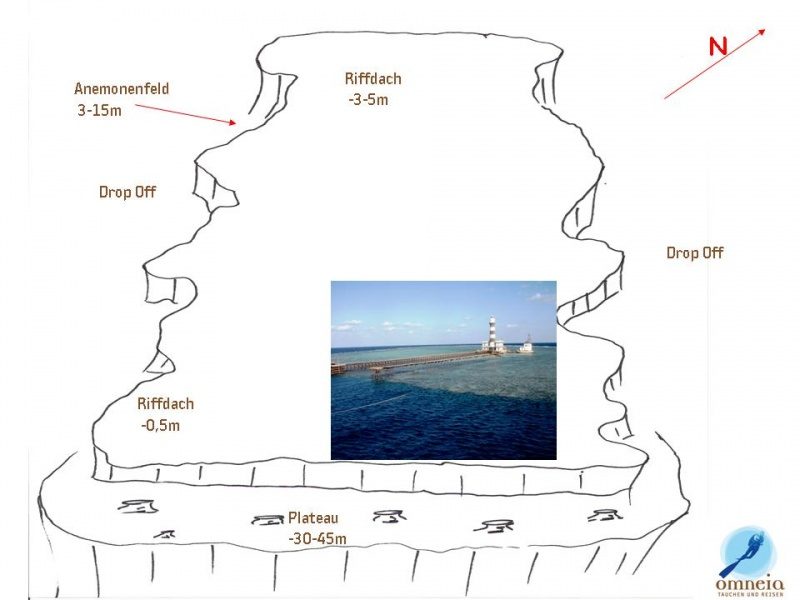
Divers typically anchor above the southern plateau, directly across from the lighthouse.
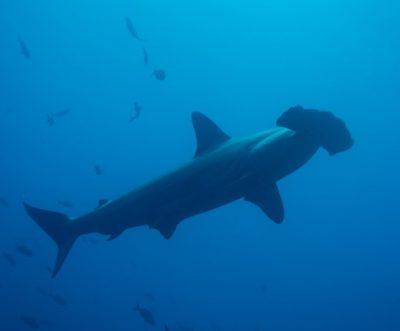
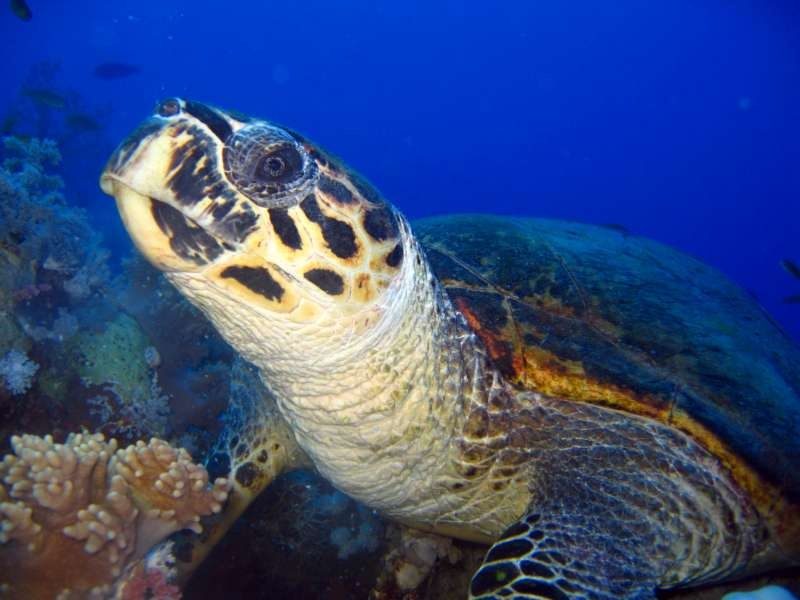
The reef’s structure resembles a slightly tilted egg. Basically, this reef offers everything a discerning diver could wish for, and there are unforgettable dives to suit every taste. We can divide it into four areas: the South Plateau, West, East, and North Point. Each area is large and interesting enough to spend several days diving there. The northern tip is reached by Zodiac. The Zodiac ride to the northern tip is a long one, and you really start to feel the distance. But it’s a price you’re happy to pay, because the reef’s sheer size means it remains largely untouched and in its original state. On the western side of the reef, there are two inlets. This spot is not only a multifaceted coral reef, but it’s also where the famous school of hammerhead sharks turns around on its journey. The school moves back and forth between the deep reef off Abu El Kizan to the west and the northern tip. This is where you’re most likely to encounter the school or solitary sharks. In recent years, the school has split up; it’s now rare to see more than 20–25 sharks in a single school. Nevertheless, encountering even a portion of the school is an impressive and unforgettable experience. At the very latest during such an encounter, no diver can escape the fascination and magic of Daedalus Reef. But hammerhead sharks also have a mind of their own; regardless of the season, there are weeks when no dive goes by without hammerhead sightings, with divers sitting on the sun deck, completely euphoric and raving about it; then again, there are weeks when divers and guides search and search and see plenty of blue water but no hammerhead sharks. Sometimes I get the feeling that the hammerhead sharks are just 30 meters away from the divers in the blue water, laughing up their sleeves. The southern plateau drops steeply to 20 meters and forms a gently sloping plateau with many sandbanks. Groupers, moray eels, and Napoleon wrasse thrive on the plateau, and thresher sharks are sometimes spotted there. Turtles feast on the numerous soft corals. Depending on the season, longimani and silky sharks gather beneath the safari boats. In addition to the ever-present chance of encountering large fish, the west side offers a vast anemone landscape and a very large, ancient coral that extends from a depth of 25 meters to the reef top. The east side is characterized by pristine coral formations. For technical divers with the appropriate certification, the necessary equipment, and the required experience, there is also a wreck to explore at Abu Kizan—the “Zealot.” The cargo steamer was launched in 1873 and reportedly sank in Daedalus in 1876. However, this wreck lies far below the depth limit for recreational divers.
The reef’s structure resembles a slightly tilted egg. Basically, this reef offers everything a discerning diver could wish for, and there are unforgettable dives to suit every taste. We can divide it into four areas: the South Plateau, West, East, and North Point. Each area is large and interesting enough to spend several days diving there. The northern tip is reached by Zodiac. The Zodiac ride to the northern tip is a long one, and you really start to feel the distance. But it’s a price you’re happy to pay, because the reef’s sheer size means it remains largely untouched and in its original state. On the western side of the reef, there are two inlets. This spot is not only a multifaceted coral reef, but it’s also where the famous school of hammerhead sharks turns around on its journey. The school moves back and forth between the deep reef off Abu El Kizan to the west and the northern tip. This is where you’re most likely to encounter the school or solitary sharks. In recent years, the school has split up; it’s now rare to see more than 20–25 sharks in a single school. Nevertheless, encountering even a portion of the school is an impressive and unforgettable experience. At the very latest during such an encounter, no diver can escape the fascination and magic of Daedalus Reef. But hammerhead sharks also have a mind of their own; regardless of the season, there are weeks when no dive goes by without hammerhead sightings, with divers sitting on the sun deck, completely euphoric and raving about it; then again, there are weeks when divers and guides search and search and see plenty of blue water but no hammerhead sharks. Sometimes I get the feeling that the hammerhead sharks are just 30 meters away from the divers in the blue water, laughing up their sleeves. The southern plateau drops steeply to 20 meters and forms a gently sloping plateau with many sandbanks. Groupers, moray eels, and Napoleon wrasse thrive on the plateau, and thresher sharks are sometimes spotted there. Turtles feast on the numerous soft corals. Depending on the season, longimani and silky sharks gather beneath the safari boats. In addition to the ever-present chance of encountering large fish, the west side offers a vast anemone landscape and a very large, ancient coral that extends from a depth of 25 meters to the reef top. The east side is characterized by pristine coral formations. For technical divers with the appropriate certification, the necessary equipment, and the required experience, there is also a wreck to explore at Abu Kizan—the “Zealot.” The cargo steamer was launched in 1873 and reportedly sank in Daedalus in 1876. However, this wreck lies far below the depth limit for recreational divers.
These safari routes call at Daedalus / Abu El Kizan:
Brother Islands - Daedalus - Elphinstone
Brother Islands - Daedalus - Rocky Islands - Elphinstone
Brother Islands - Daedalus - Sataya
Brother Islands - Daedalus - Sataya - Elphinstone
Brother Islands, Daedalus, Zabargad, Rocky Island, Elphinstone
Daedalus - South
Daedalus - St. Johns
Daedalus - Zabargad - Rocky Island - St. Johns
Nord - Brothers - Daedalus - Elphinstone
Images