Thailand · Riff
Koh Haa Nüng
The dive site
Koh Haa Nüng at a glance
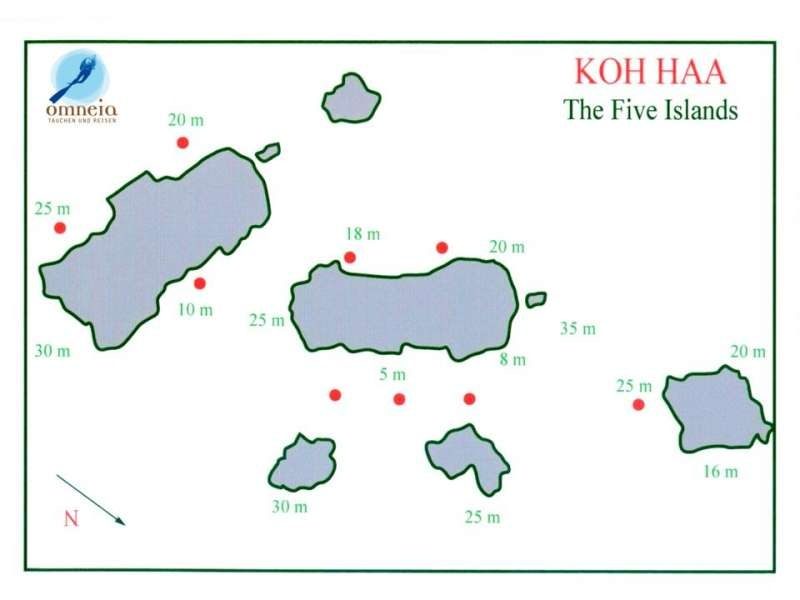
“Koh,” often spelled “Ko,” translates to “island,” while “Haa” means “five.” Confusingly, however, Koh Haa consists of six small islands located west of Koh Lanta. Koh Haa Nüng translates to “the first of the three islands.”
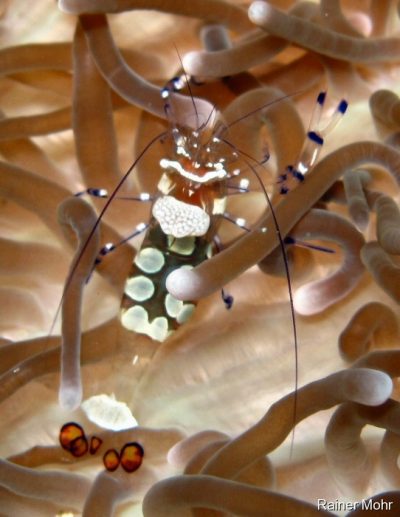
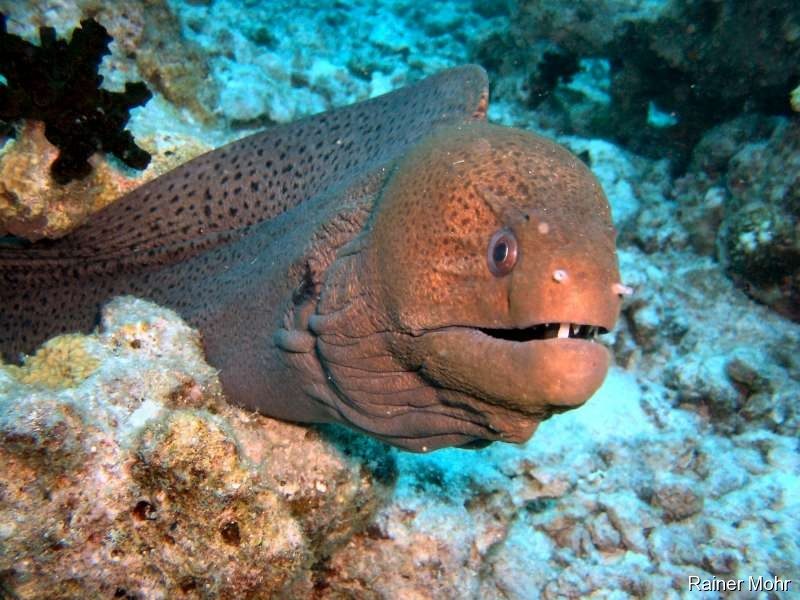
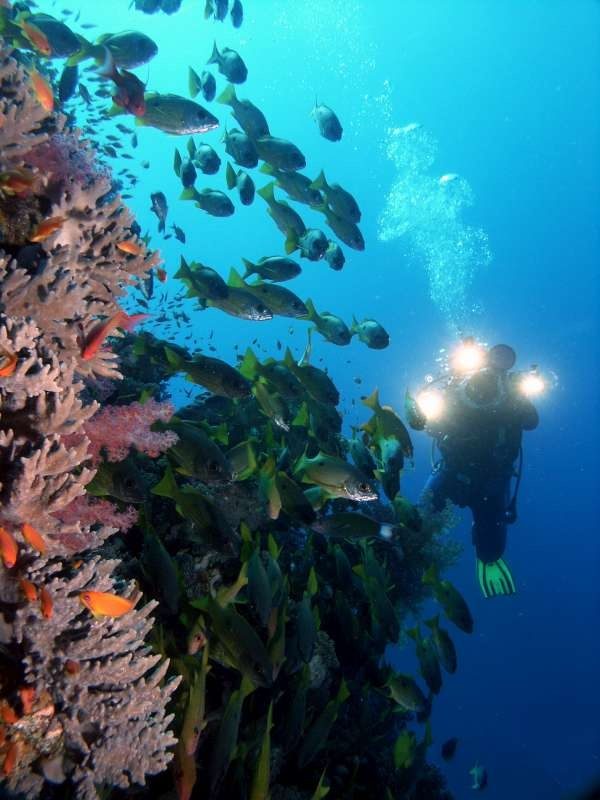
There are several worthwhile diving options at Koh Haa Nüng. You can do a drift dive from the north, either along the east or west side of the island, depending on the current and the sun’s position. Both the east and west sides drop off to a sandy bottom at depths of 16–25 meters. The reef wall is beautifully covered with soft corals and gorgonian fans, and the many overhangs and ledges provide the perfect hiding spots for shrimp, groupers, and moray eels. The offshore sandy bottom features many small coral blocks covered in beautiful coral.
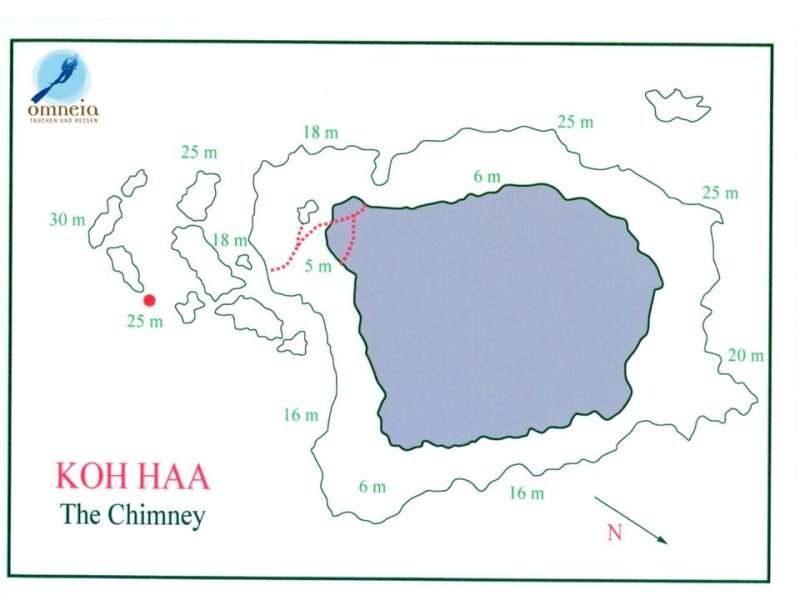
My personal highlight is the southwest corner. The 18-meter-deep sandy bottom at the reef slopes gently down to a depth of 30 meters. Here you’ll find six coral blocks running parallel to the reef. The blocks are beautifully covered with red soft corals. It’s a great spot to look for moray eels or seahorses. Between the blocks are small channels overgrown with gorgonian fans—serving as swim-throughs—as well as overhangs and small caves.
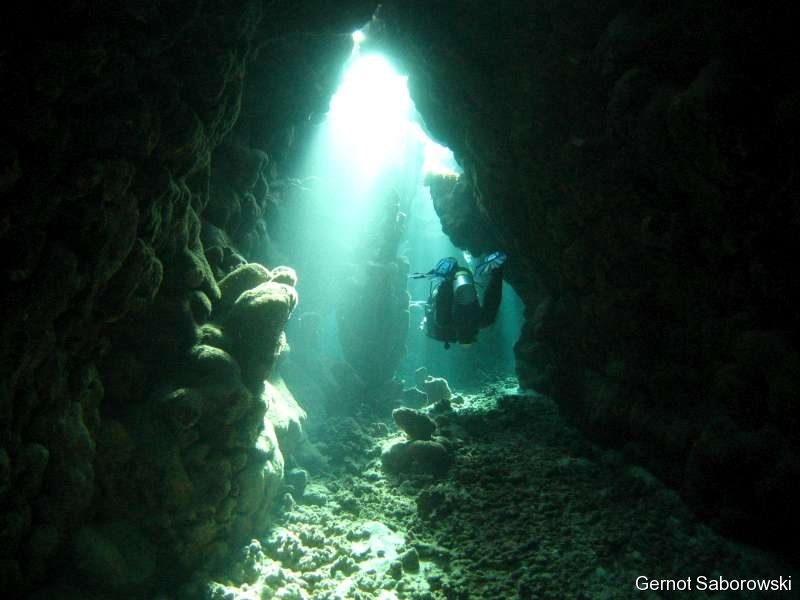
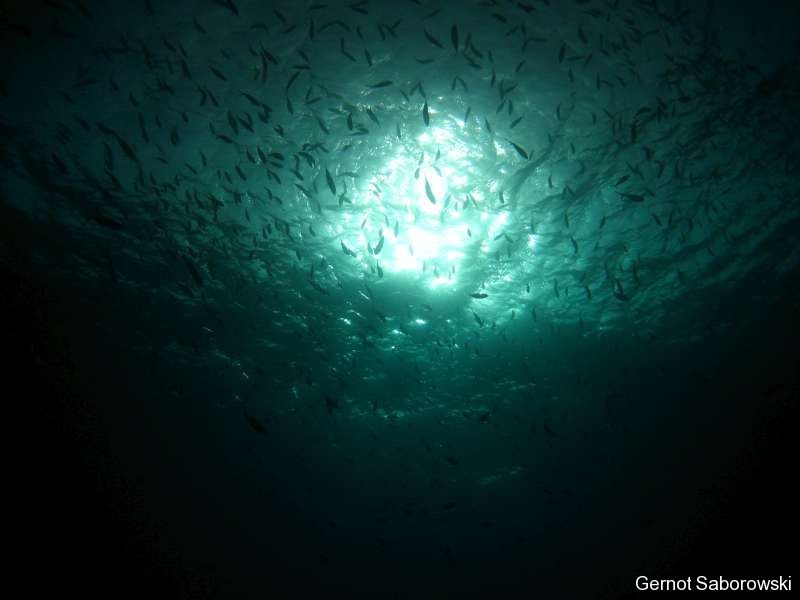
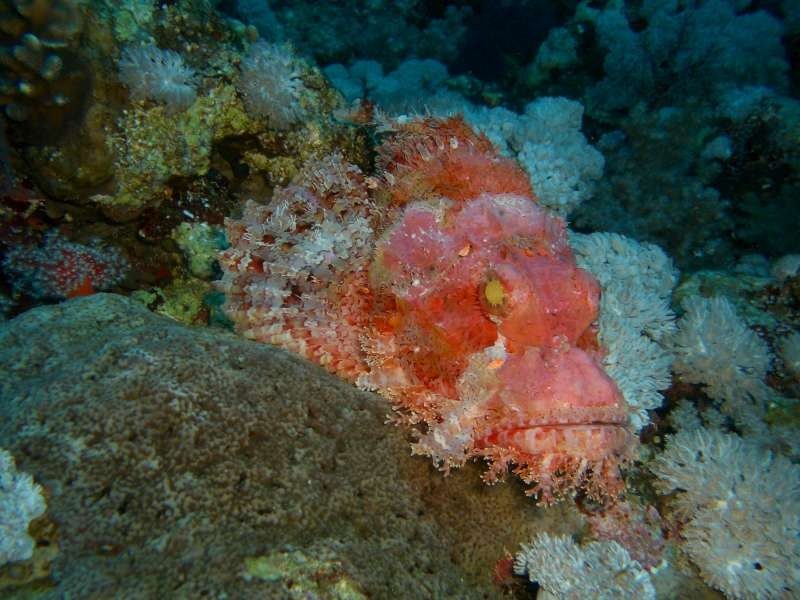
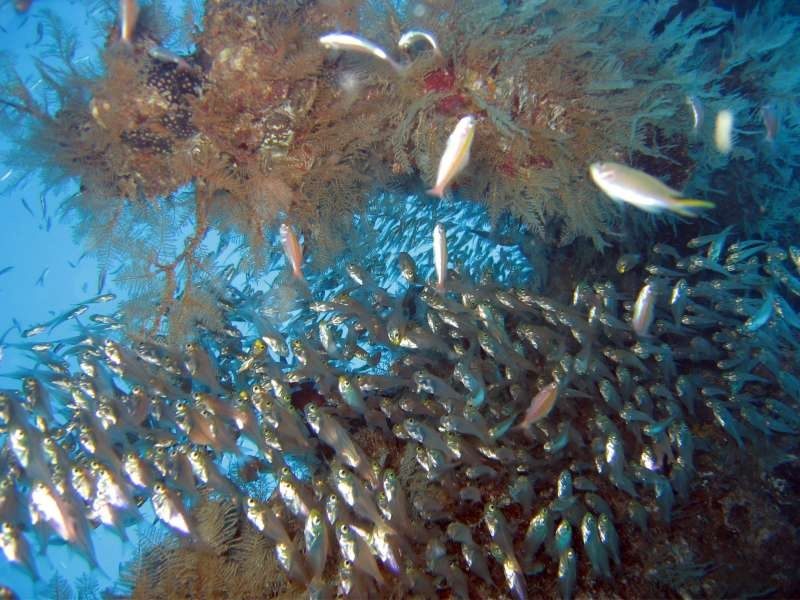
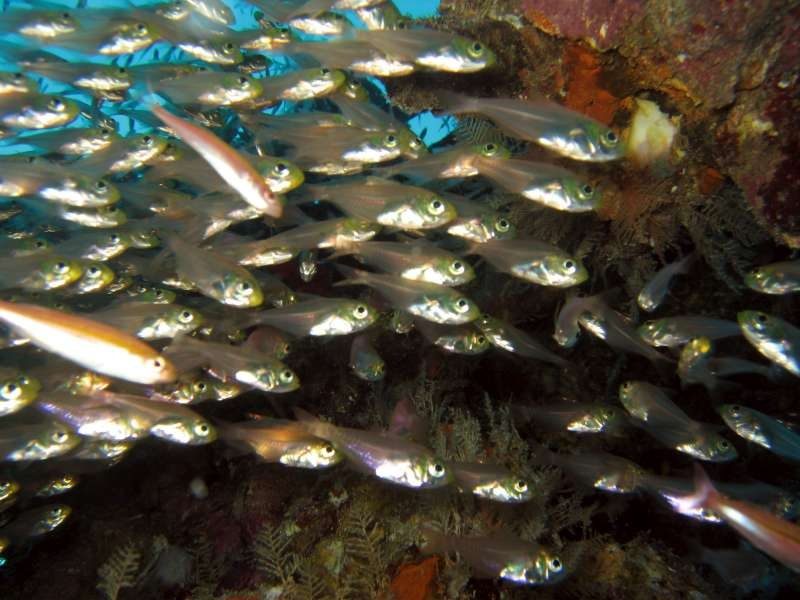
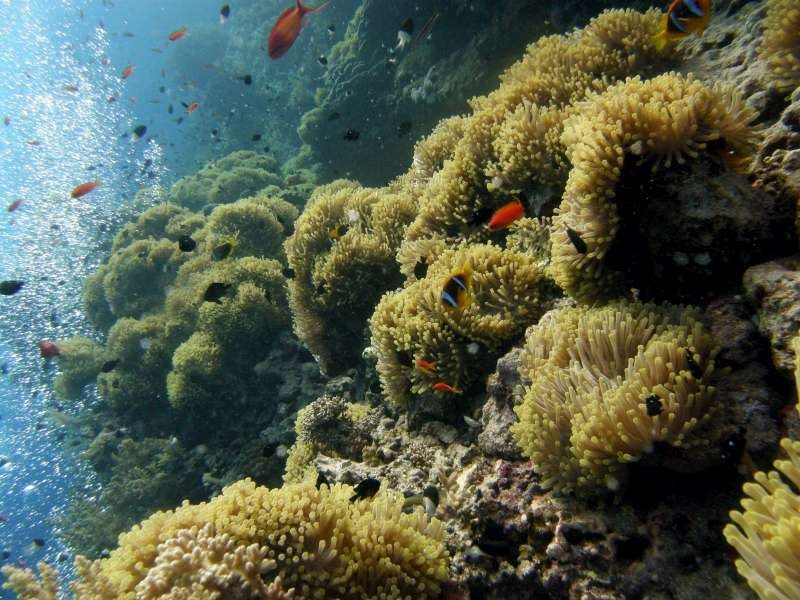
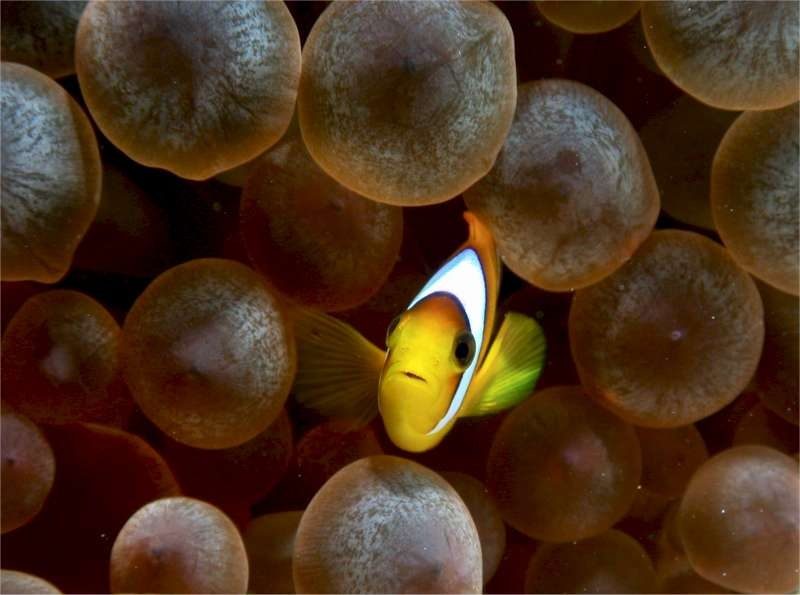
On the reef, at a depth of about 18 meters, is the entrance to a chimney that narrows toward the top. You don’t necessarily need a flashlight, since the chimney is open at the top and some daylight filters in. But to see the 1,001 glassfish and the dusky hatchetfish found in this chimney, you’ll need a flashlight. You should be especially careful when surfacing from the chimney, at a depth of about 6 meters, as perfectly camouflaged, poisonous scorpionfish live there year-round. After that, depending on the swell, you can dive through a small overhang down to about 6 meters. The large anemone field is ideal for surfacing and for the safety stop. For me, it’s the perfect playground!